
Same Street, $100K Difference — Why Buying on the ‘Wrong Side’ Could Cost You in Toronto
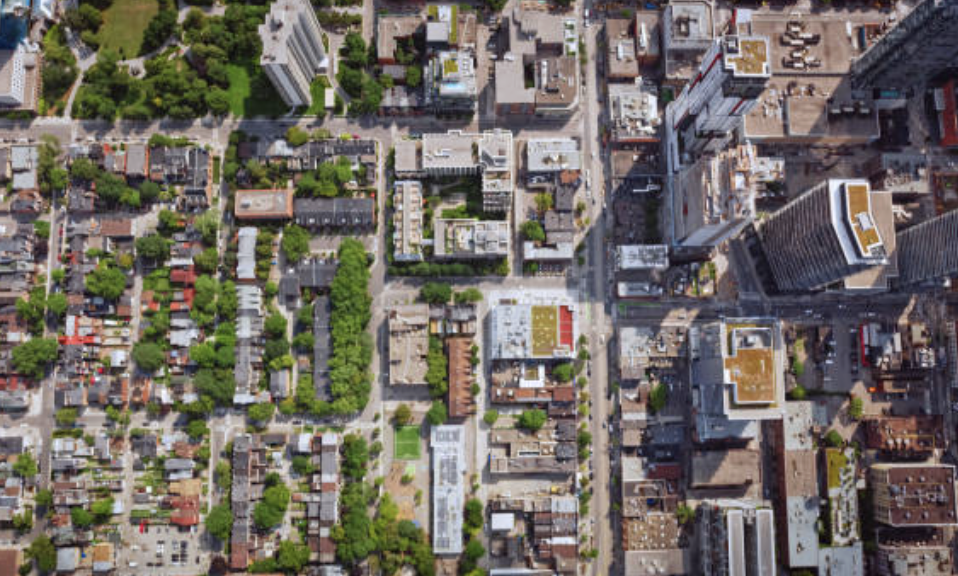
Most people start their Toronto home search by looking at the big picture: Etobicoke, Midtown, Downtown, Leaside, Scarborough… the usual.
But once you actually start touring properties, something becomes obvious very quickly:
Not all parts of a neighbourhood are created equal and sometimes the biggest price differences happen within just a few blocks.
These tiny pockets, often only a handful of streets or even one stretch of a street, behave like their own little markets. And the price gaps between them can be shocking — sometimes $50K to $150K, even when the homes look almost identical.
If you’ve ever wondered why two places so close together sell so differently, here’s what’s really going on.
1. School Catchment Lines: The Invisible Border Everyone Pays For
If you’ve ever spoken to a parent shopping for a home, you know school zones are basically the “unofficial currency” of Toronto real estate.
Two houses can sit across from each other, but if one falls into a top-performing school such as Rosedale Junior Public or John Ross Robertson, the prices instantly shift.
Buyers will stretch their budgets, waive conditions, and compete aggressively — all because they want their kids in that catchment.
It’s one of those things you don’t see on a listing, but absolutely shows up in pricing.
2. Transit Access: A Three-Minute Difference That Changes Everything
A lot of people underestimate how big of a deal walking distance to transit actually is.
A condo that’s a 3-minute walk to the subway sells differently than one that’s 10 minutes away — even if they share the same street and postal code.
For buyers who rely on the TTC (which is a massive portion of condo shoppers), those extra minutes matter. It determines whether they can live car-free, whether winter commutes are tolerable, and how quickly they can get downtown.
3. The Local Lifestyle Shift: One Block Over = A Totally Different Vibe
One of the funniest things about Toronto is how dramatically the feel of a neighbourhood can change in just a few steps.
You’ll find:
- A quieter, tree-lined street that feels tucked away
- A pocket filled with young families
- Another strip that’s closer to grocery stores, coffee shops, and daily conveniences
- Or, the dreaded area that backs onto a busy road or plaza
These micro-differences create pockets that feel more desirable, safer, more charming, or just easier to live in. Buyers notice that instantly, even if they can’t put it into words.
4. Condo Buildings: Same Street, Completely Different Markets
This is a secret only people inside the Toronto condo world really understand:
Two condo buildings sitting beside each other can have wildly different values.
It usually comes down to things like:
- How the building is managed
- The health of the reserve fund
- The type of residents it attracts
- Whether short-term rentals are allowed
- The quality of finishes and upkeep
- How often units turn over
It’s why you’ll see one building consistently selling for $80–$120K more, even with similar square footage and amenities. It’s not the street — it’s the building culture.
5. Natural Light, Street Exposure & The “Feel” Factor
This one is surprisingly emotional.
Properties that get great light, feel open, and sit on quieter streets naturally attract more buyers. And buyers who fall in love tend to pay more.
Small things like:
- A brighter lot
- A south-facing backyard
- A quieter side of the street
- A home unaffected by shadowing from nearby condos
…all make a bigger difference than people expect.
When a place feels good, it sells well. Period.
6. The Future of the Block (Not the Neighbourhood)
Toronto changes fast, and small future developments can make or break a pocket.
Sometimes a street skyrockets because:
- A new LRT station is on the way
- A major developer is transforming a nearby plaza
- A new park or trail is being added
Other times, the opposite happens — a mid-rise or high-rise is approved around the corner, bringing construction noise, shadows, or density that some buyers want to avoid.
Looking five to ten years ahead is part of understanding a micro-neighbourhood, not just a neighbourhood.
What This Means for Buyers
Learning these micro-pockets helps you:
- Avoid overpaying for a home on the “wrong” side of the street
- Target undervalued pockets with better future growth
- Choose a home with stronger long-term resale value
- Make smarter, more confident offers
If you feel overwhelmed comparing neighbourhoods, don’t worry — most people do. But once you zoom in, the picture becomes a lot clearer.
What This Means for Sellers
Pricing your home properly means looking at your actual pocket, not the general area.
If your home is:
- Closer to transit
- In a stronger catchment
- On a better side of the street
- In a better-managed condo building
…you may be sitting on a premium that generic “average neighbourhood prices” don’t reflect.
Strong micro-neighbourhood analysis often leads to a better list price and more serious buyers.
Toronto isn’t just a city of neighbourhoods — it’s a city of micro-markets.
And those tiny pockets are often the real reason a property sells for $100K more (or less).
When you know what to look for, you stop treating Toronto like one big real estate market… and start spotting opportunities most buyers completely miss.
For insider details on what pockets in certain areas in Toronto are truly a smart buy – reach out to us today!