
Maximize Your Home’s Value: How to Build a Legal Basement Apartment and Earn Extra Income
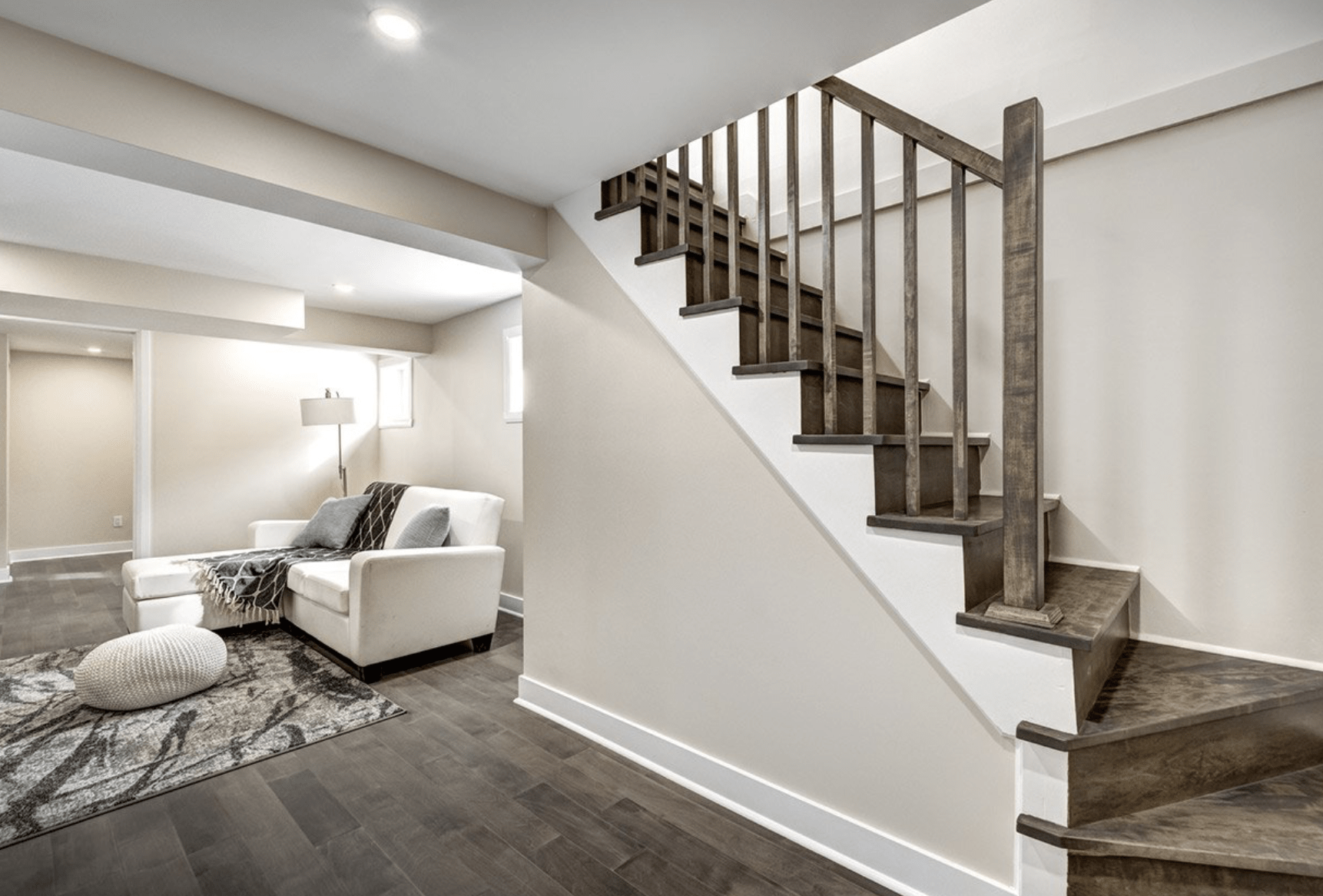
Are you considering turning your basement into a rental unit? Or perhaps you are searching for a home with a basement apartment. A basement rental unit in your home is a great way to earn a little extra money and help pay off your mortgage.
If you live in a house with a basement, this would be the most ideal scenario as it will be a separate living space for your tenants. Whether your basement is fully finished, partially finished or needs an entire renovation, there is a lot to consider before finding a tenant for the space.
LEGAL REQUIREMENTS AND ZONING
Municipalities in Ontario all have different rules and regulations, so it’s important to check in with your local municipal planning and building departments to determine if renting out your basement is not only suitable but also worth it for you.
If your basement is not already classified as a legal basement, there are several important and major factors you need to consider before adding a second unit, including:
- necessary building permits
- designing your unit to comply with the Building Code
- required building inspections during construction
It is important to meet planning and building code requirements. Doing so will help ensure that your house and second unit are legal, safe and healthy places to live.
DESIGN AND LAYOUT CONSIDERATIONS
If your basement can be zoned to be a legal basement apartment, you will have to ensure it meets your municipal layout requirements, such as:
- Private kitchen, bathroom, and living spaces
- Minimum or maximum room requirements
- Ensuring proper ceiling height and room sizes
- Installing separate entrances for privacy
- Minimum window requirements and size of windows
- Parking requirements
Hiring a professional contractor who specializes or has experience with building legal basements will be a key component to your overall success if your basement needs an entire rebuild or renovation. Before going firm on a property, speak to your real estate agent if adding a condition on your offer to get the basement assessed if the right move in the current market.
SAFETY AND ACCESSIBILITY
Before you begin renovations or if you have a fully finished basement, make sure to bring in a certified fire and safety team who can assess the overall safety requirements your basement needs to have. This team can provide and plan for meeting safety requirements, such as:
- Location of fire alarms, carbon monoxide detectors, and egress windows
- Providing safe and accessible pathways and entrances
- Meeting fire separation and soundproofing requirements
PLUMBING, ELECTRICAL, AND HVAC
Ensuring your plumbing, electrical, and HVAC systems are in good working order, safe, and legally compliant is very important when creating a home for others to live in. Bringing in the right contractors who can inspect these components will help homeowners with the following:
- Ensuring adequate plumbing and electrical systems
- Installing a separate HVAC system or ensuring sufficient ventilation
- Adding necessary utility meters for separate billing
COSTS AND FEES – HOW MUCH SHOULD YOU EXPECT TO PAY?
The cost of converting a basement into a legal rental unit in Ontario can vary significantly based on the condition of your basement, the municipality you live in, and the extent of the work required. On average, homeowners can expect to pay:
- Basic renovation and finishing: $30,000 – $50,000 (if basement is already finished and up to code)
- Full legal conversion (permits, fire separation, kitchen, bath, etc.): $60,000 – $120,000+
- Building permits and inspection fees: $2,000 – $5,000
- Architectural or design drawings: $2,000 – $4,000
- Engineering and legal consultation fees (if required): $1,000 – $3,000
- Utility separation or upgrades (HVAC, plumbing, electrical): $5,000 – $10,000+
It’s also smart to set aside an additional funds for unexpected costs.
While this may seem like a large investment, a properly built legal basement apartment can often increase your home’s overall value by 10–20% and provide a consistent source of rental income.
FINANCING, BUDGETING, AND OVERALL INVESTMENT – IS IT WORTH IT?
After factoring all of the essential factors above and how much work needs to be done to your basement, is the overall cost worth the investment?
Homeowners should take the time to price out the entire project and figure out what the potential ROI (return on investment) will be to see if creating a legal rental basement apartment is a smart long-term investment.
Buyers who are in the market to find a home with a finished basement apartment should assess their financial budget as well. Houses with finished basement apartments typically are priced higher compared to similar properties without a finished basement. Buyers should assess if paying more for the house is worth the rental income they will receive.
Homeowners should also keep in mind that unexpected expenses may occur when having a tenant living in your space such as ongoing maintenance and repairs, etc.
If you or someone you know requires professional advice on basement apartments, acquiring tenants, new homes for sale in Scarborough, and owning a rental property – reach out to us today and we will be happy to assist!