
The Investor Mindset: Why ROI Should Be Your Primary Focus
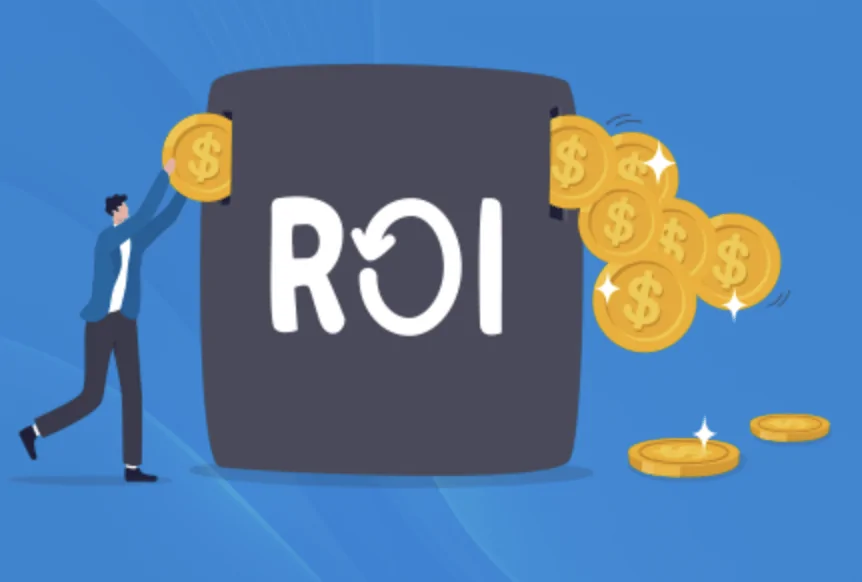
Real estate investment can be one of the most rewarding ways to build long-term wealth. However, success in this field requires adopting a mindset that’s focused on Return on Investment (ROI) rather than getting caught up in the emotional appeal of a property. It’s easy for investors, especially new ones, to become charmed by the appealing location and aesthetics, but the key to profitable investing lies in cold, hard numbers.
1. The Investor vs. Homebuyer Mentality
When investing in real estate, it’s important to separate the investor mindset from the homebuyer mentality. Homebuyers are often driven by emotions, purchasing properties based on personal tastes, lifestyle goals, or a sense of comfort and attachment. They’re drawn to a space they envision living in or one that aligns with their idea of a dream home.
Unless investors plan on living in the property in the future, investors need to approach properties objectively. It’s not about whether you would live there or how “beautiful” the house is—it’s about how much profit the property can generate. Your ultimate goal as an investor is to maximize your ROI and ensure that every dollar you put in works for you.
2. Why ROI Is King
ROI is the best measure of a property’s potential to generate income. It quantifies the return you’ll get based on your initial investment, taking into account the costs of purchasing and maintaining the property compared to the income it generates, whether through rent or appreciation.
Focusing on ROI means:
- Profits Over Looks: A property may look stunning or be located in a trendy neighborhood, but if it doesn’t yield a strong ROI, it’s not a good investment.
- Cold, Calculated Decisions: With an ROI-driven approach, you’re making decisions based on data—rental yields, appreciation rates, cash flow—rather than emotional reactions.
- Long-Term Wealth Building: Prioritizing ROI ensures that you’re creating sustainable wealth, rather than simply owning a property that may look great but doesn’t generate significant returns.
3. The Trap of Location and Aesthetics
One of the most common traps for new investors is getting too focused on the location and the look of the property. While location plays a key role in property value and appreciation, it’s only part of the equation. Investing in a highly desirable area may seem like a surefire way to make a profit, but that doesn’t always translate into the best ROI. Properties in prime locations often come with higher purchase prices, which can slow down your profit margins if the rental income or future appreciation doesn’t justify the initial cost.
Similarly, being dazzled by a property’s design, style, or “potential” can lead investors to overpay or invest in unnecessary renovations. Remember, you’re not buying a home for yourself—you’re buying an investment that needs to perform. When emotions dictate your decisions, you’re more likely to ignore crucial factors like cash flow, maintenance costs, or long-term market trends.
4. How to Stay Emotion-Free and ROI-Focused
To adopt an investor mindset that focuses on ROI and avoids emotional pitfalls, consider these key strategies:
- Run the Numbers First: Before you even visit a property, calculate the projected ROI. Evaluate rental income potential, property expenses (like taxes, insurance, and maintenance), and how much appreciation you can realistically expect. If the numbers don’t work, move on.
- Detach from Aesthetics: If you’re looking at an investment property, remind yourself that you’re not the end user. Focus on what makes financial sense, not on how much you like the decor or the view. A neutral property with high cash flow is often more profitable than a stunning property in a pricey neighborhood.
- Evaluate the Market: Ensure the property’s market has strong growth potential, solid rental demand, and is investor-friendly. A property’s looks can change, but the market fundamentals will determine its value in the long run.
- Minimize Renovations: If a property requires renovations, make sure they add to its value and cash flow. Over-renovating for personal tastes can eat into your ROI. Stick to upgrades that will increase rent or resale value, rather than ones based on style preferences.
5. Stick to a Clear Investment Strategy
Your investment strategy should always be guided by ROI. Whether you’re focusing on short-term cash flow through rental income or long-term appreciation through value growth, have a clear plan in place. This could mean targeting properties in up-and-coming neighbourhoods that promise higher appreciation, or looking for properties with high rental demand and low vacancy rates for steady cash flow.
6. Exit Strategy with ROI in Mind
A key part of the investor mindset is having a clear exit strategy. Whether you plan to sell the property in a few years or hold onto it for long-term cash flow, your decisions should be guided by how they affect your ROI. This also helps keep you grounded and less likely to make decisions based on short-term emotions, like holding onto a property just because it’s in a “great” area that you’re emotionally attached to.
ROI Is the North Star
In real estate investment, emotions can be a dangerous distraction. While location, aesthetics, and charm are all factors that play into property value, they should never come before your primary goal: maximizing return on investment. As an investor, it’s critical to approach each deal with an analytical mindset, focusing on the numbers and long-term profitability. By prioritizing ROI over emotional decisions, you set yourself up for sustained success and financial growth in the real estate market.